


Significant changes are on the horizon for the world of email authentication in 2024. Google and Yahoo, two of the biggest players in the email services sector, have announced that they are updating their email authentication requirements. These changes aim to enhance security and protect users from phishing and other types of cyberattacks. The focus is on the technologies DKIM (DomainKeys Identified Mail) and DMARC (Domain-based Message Authentication, Reporting, and Conformance).
The importance of DKIM and DMARC
DKIM and DMARC are advanced email authentication methods that help to ensure the integrity and authenticity of emails. DKIM enables the recipient to verify whether an email actually originates from the specified domain and whether it has been altered whilst in transit to the recipient. DMARC, on the other hand, is a protocol that determines how email recipients should handle emails that are not DKIM- or SPF-compliant. It also enables the collection of reports on email activity and threats.
DKIM (DomainKeys Identified Mail) and DMARC (Domain-based Message Authentication, Reporting & Conformance) are essential components of modern email security systems. DKIM provides a method for digitally signing emails, thereby ensuring the authenticity and integrity of the messages. DMARC, on the other hand, enables domain owners to define how email recipients should handle unauthenticated messages. Find out more about how DKIM and DMARC work and why they are important in our blog article: “Secure email communication: How DKIM and DMARC enhance your email security”.
Updates from Google and Yahoo for 2024
Google and Yahoo have announced that they will be tightening their authentication policies in 2024. This means that emails which do not comply with DKIM and DMARC standards are likely to be classified as unsafe or even blocked. These updates underscore the need for businesses and individuals to review and improve their email security practices.
The changes introduced by Google and Yahoo emphasise the need for organisations to review and update their email authentication practices. This includes implementing SPF (Sender Policy Framework), another key element of email security. SPF helps prevent email spoofing by specifying which mail servers are authorised to send emails on behalf of your domain. Find out how SPF records can protect your email communications in our article: “SPF Records: Making email spoofing more difficult and increasing trust”.
The updates also highlight the importance of raising awareness and training staff to recognise phishing attempts. Phishing remains a common method of cyberattack, and the ability to identify suspicious emails is crucial. In our blog post “Recognising and Avoiding Email Phishing”, you’ll find useful tips on how to protect yourself and your business from such threats.
What does this mean for email senders?
These changes are particularly relevant for organisations and individuals who send emails regularly. They must ensure that their emails are properly authenticated in order to be accepted by recipients. This requires the implementation of DKIM and DMARC on their email servers. Without this authentication, their emails may be classified as spam or rejected entirely, which could significantly disrupt communication with customers and partners.
In light of these developments, it is essential for businesses to review their email security protocols and ensure they comply with the new standards. This involves not only the technical implementation of DKIM, DMARC and SPF, but also the ongoing training of staff to ensure the security of email communications.
Implementation of DKIM and DMARC
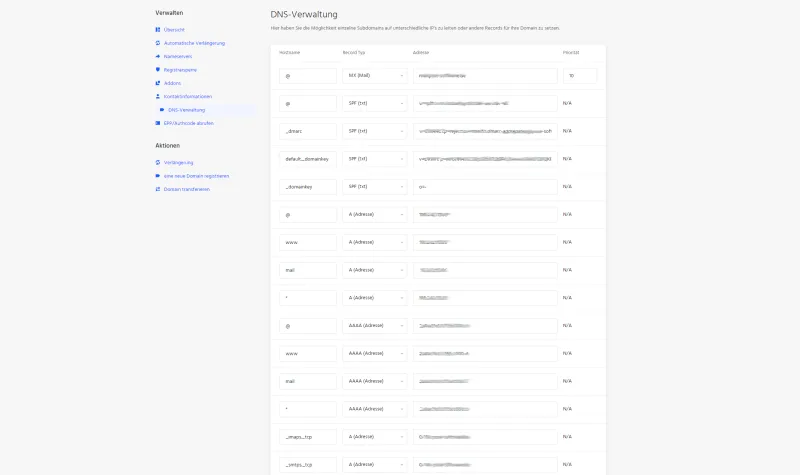
Implementing DKIM and DMARC is a technical process that requires careful configuration. DKIM involves adding a digital signature header to emails, which is encrypted using a private key. The corresponding public key is published in the DNS of the sending domain. DMARC uses these DKIM signatures, as well as SPF (Sender Policy Framework) results, to determine how to handle emails that fail the authentication tests.
Conclusion
The upcoming changes at Google and Yahoo represent an important step towards more secure email communication. Updating email authentication standards to DKIM and DMARC is a crucial step towards enhancing security and reducing the risk of phishing and other cyberattacks. Organisations and individuals should take these developments seriously and take appropriate measures to ensure that their emails comply with the new standards. This will not only enhance the security of their communications but also strengthen their recipients’ confidence in the integrity of their emails.
Google and Yahoo’s requirements for 2024 make it clear that email security requires an ongoing effort. By implementing these standards and raising awareness of email threats, organisations can effectively secure their communication channels and strengthen their customers’ trust.